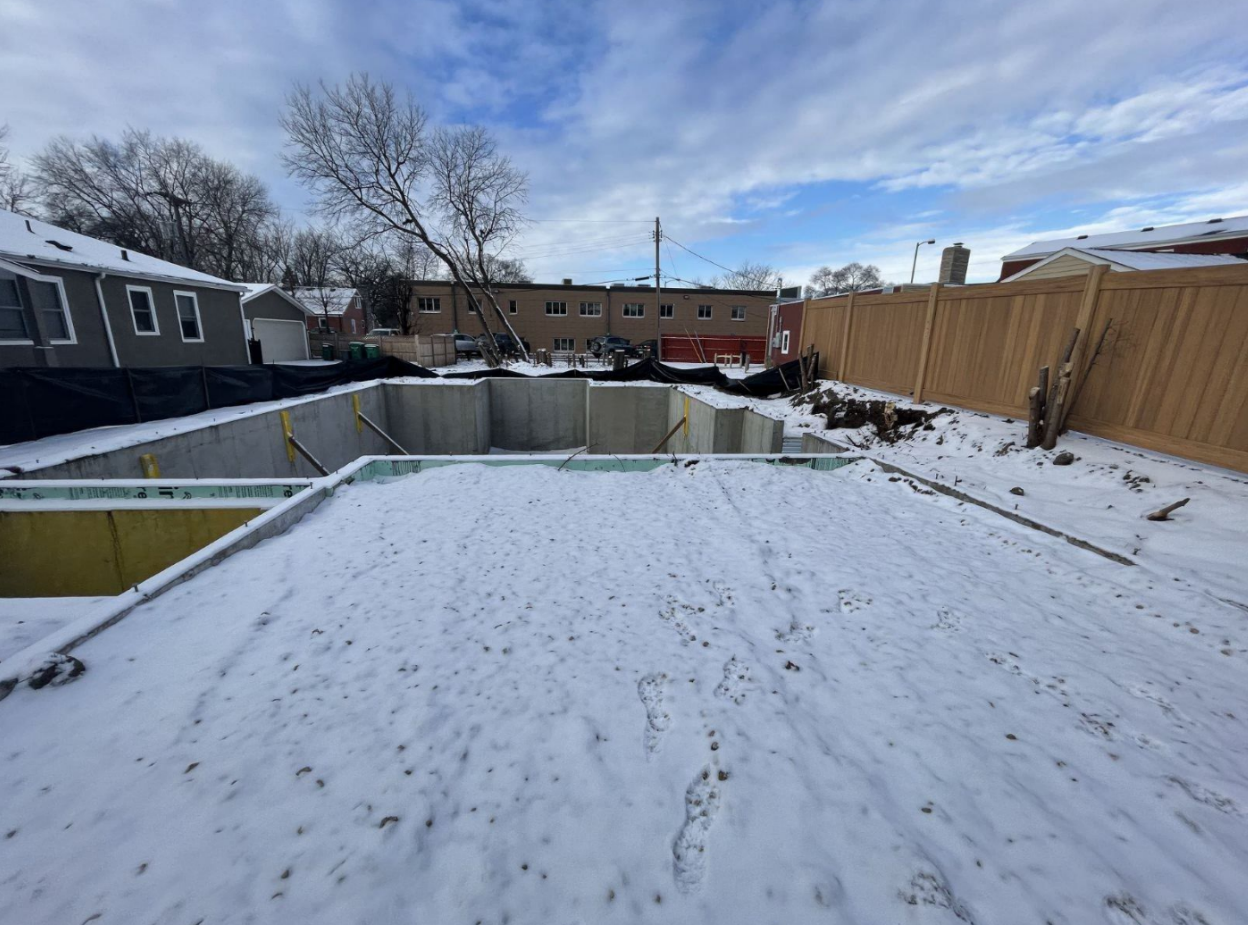
St. Paul & Minneapolis Helical Pile Foundation Support for Long-Term Structural Stability
Understanding Helical Pile Systems
A helical pile is a steel foundation support system installed into the ground using hydraulic equipment. It is mechanically screwed into the soil until it reaches stable, load-bearing layers below weaker surface soils.
Think of it as a heavy-duty steel screw used to stabilize structures when soil can no longer support the load. Once installed to the proper depth and resistance, the structure is connected to the pile through engineered brackets.
From there, the weight of the home is transferred off the shifting soil and onto the helical pile system. This helps stabilize foundation settlement by anchoring the structure into deeper, more reliable ground that is less affected by seasonal soil changes.
How Helical Piles Actually Work
The installation process is straightforward, but it requires precision and the right equipment.
Each helical pile is installed using hydraulic torque equipment that rotates the steel shaft into the ground. As it advances deeper, it moves through softer, less stable soil layers until it reaches firmer, load-bearing ground that can properly support structural weight.
During installation, we monitor the resistance the soil provides. That resistance is an important indicator because it helps confirm when the pile has reached the depth and capacity needed to support the structure.
Once the pile is fully installed, it is connected to the foundation using engineered brackets. From that point, the weight of the structure is gradually transferred off the unstable soil and onto the helical pile system.
The end result is true structural stabilization at the source of the problem, rather than a surface-level fix that only addresses the visible symptoms.
Where Helical Piles Are Commonly Used
Helical pile systems are used in a range of foundation and structural support situations where soil conditions are no longer reliable or additional load-bearing capacity is needed.
Common applications include:
- Homes experiencing settlement or sinking sections of the foundation
- Basement walls that require additional structural reinforcement
- Foundations that are no longer level or showing signs of uneven support
- New construction projects that need deep, engineered foundation support
- Additions or extensions where existing soil conditions are uncertain
- Garages, porches, and other structural areas carrying separate or concentrated loads
Every project is slightly different, which is why installation is always based on what’s actually happening beneath the structure. The goal is to design and install a system that responds to real soil and load conditions—not assumptions.
What Makes This System Effective
Homeowners usually want one clear answer:
does this actually solve the problem long-term?
Helical pile systems are widely used because they address the root issue behind most
settlement problems—lack of reliable soil support beneath the structure.
Some key benefits include:
- It reaches stable soil below weak ground layers
Instead of relying on shifting surface soil, the system transfers the load down into deeper, more stable conditions.
- It provides immediate structural support once installed
Once the pile is connected to the foundation, load transfer begins right away.
- It performs well in challenging soil conditions
Even in clay-heavy soil, moisture-affected areas, or inconsistent fill, the system can still be installed effectively.
- It is measurable and controlled during installation
Soil resistance is monitored as each pile is installed, helping confirm the required support capacity is reached.
When a Helical Pile System Is Recommended
A helical pile system is typically used when foundation movement is linked to deeper soil instability rather than surface-level issues.
This solution is often recommended when:
- A foundation is actively settling or continuing to move
- Cracks are widening over time instead of stabilizing
- One section of the home sits lower than the rest
- Previous repair attempts have not stopped the movement
- Soil beneath the structure is no longer providing reliable support
In many cases, helical piles are introduced when other repair methods are no longer enough on their own to stabilize the structure long-term.
What Happens Next
If a helical pile system is the right solution, the next step is a site inspection.
During the inspection, we assess how the structure is moving, check soil conditions, and identify where support is needed. This gives us a clear picture of what’s happening below the surface, not just what you can see.
From there, we explain our findings in simple terms. You’ll know what’s causing the issue and what it takes to stabilize the structure properly, without unnecessary work or guesswork.
Installation, Value, and What to Expect
Once a helical pile system is determined to be the right solution, the next step is installation and load transfer. This is where the structure is actually stabilized and the foundation begins to regain proper support.
The process is very controlled and based on engineering principles, not guesswork.
How Helical Pile Installation Works
If a helical pile system is the right solution, the next step is a site inspection.
During the inspection, we assess how the structure is moving, check soil conditions, and identify where support is needed. This gives us a clear picture of what’s happening below the surface, not just what you can see.
From there, we explain our findings in simple terms. You’ll know what’s causing the issue and what it takes to stabilize the structure properly, without unnecessary work or guesswork.
Installation, Value, and What to Expect
Once a helical pile system is determined to be the right solution, the next step is installation and load transfer. This is where the structure is actually stabilized and the foundation begins to regain proper support.
The process is very controlled and based on engineering principles, not guesswork.
Foundation issues don’t usually stay the same over time. In most cases, they slowly progress.
A small amount of settlement today can turn into more noticeable structural movement later if the underlying soil conditions continue to shift.
When caught early, helical piles can often stabilize a structure before more extensive damage occurs.
Waiting too long can lead to:
- increased structural movement
- additional cracking
- misaligned framing
- higher repair complexity
Addressing the issue early typically results in a more controlled and predictable repair process.
Where Helical Pile Systems Make the Biggest Difference
Helical piles are especially effective in situations where:
- Soil beneath the structure is no longer stable
- One or more sections of the foundation are sinking
- Previous repairs did not stop movement
- New structural loads need deep support
- Traditional surface-level repairs are not enough
They are commonly used in both residential and commercial applications where long-term load support is required.
What You Can Expect From Our Work
When you work with Foundation Repair Pros, the focus is on clarity and proper execution.
That means:
- Clear explanation of what’s happening with your foundation
- Straightforward recommendations based on site conditions
- Professional installation using engineered systems
- Respect for your property during the process
- Clean, documented completion of the work
We don’t oversell repairs, and we don’t recommend systems that aren’t necessary. If a helical pile system is recommended, it’s because the structure needs deeper load support—not because it’s a standard solution for every situation.
Our Approach to Quality
A helical pile system is only as effective as its installation.
That’s why we focus on:
- proper depth placement
- verified torque readings during installation
- correct structural connection points
- stable load transfer conditions
- careful alignment and monitoring
This isn’t a cosmetic repair. It’s structural work that directly affects how a building carries weight.
Helical Pile Installation Across the Twin Cities
Whether your home is in Minneapolis, St. Paul, or a nearby community, Foundation Repair Pros provides professional helical pile installation tailored to your property's soil conditions and structural needs.
We proudly serve homeowners throughout:
- Minneapolis
- St. Paul
- The Twin Cities metro area
- Surrounding Minnesota communities
Every project begins with a thorough evaluation to determine whether a helical pile system is the right long-term solution for your foundation.
Call Foundation Repair Pros today to schedule your inspection and learn whether a helical pile system is the right solution for your home.
Frequently Asked Questions
How long does installation take?
Most projects are completed within a few days depending on size and access conditions.
Will the work disrupt my home?
Installation is localized and controlled. Some equipment noise is expected, but disruption is typically limited to the work area.
Can this fix ongoing settlement?
Yes. The system is designed to stabilize structures that are actively settling by transferring weight to deeper soil layers.
Is every foundation problem solved with helical piles?
No. They are used when soil support is the main issue. Some homes may require additional or different repair methods depending on conditions.
A Stable Foundation Starts Below the Surface
If your home is showing signs of movement, the most important step is understanding what’s actually causing it.
Helical pile systems are not about quick fixes—they’re about restoring proper support where the ground can no longer reliably carry the load.
Once that support is in place, the structure has a stable foundation to rely on moving forward.
Request an Inspection
If you’re noticing foundation settlement, widening cracks, or uneven movement in your home, the next step is a professional evaluation.
Foundation Repair Pros will assess the structure, identify what’s happening beneath the surface, and determine whether a helical pile system is the right solution for your situation.
You’ll get clear answers, an honest assessment, and a repair plan that fits the actual condition of your home—only if it’s needed.
Call today to schedule your foundation inspection and take the first step toward a stronger, more stable home.